Search This Blog

Thursday, February 8, 2007

FLORA, MY ADORABLE FRIEND!

To you all that did not "meet" her yet, this is my dear Flora!
.
Flora loves so much to go for walks and when she suspects it is time for a walk and she sees the leash she gets very excited and does a "happy dance". She literally jumps in the air and spins in circles. She is anxious to go!
.

Here you see Flora and Carlos.


Click on photos to enlarge


Flora loves to catch the ball and run around the yard.


Flora does not like to be photographed. That’s always a challenge! She tends to get very shy and scary when she sees a camera. She hates the camera! She turns away her face or she lay down on the ground. So it is hard to get a good photo of Flora! I think she is afraid of it, either the flash or camera itself. I was wondering if anyone knows why?


As usual Flora hides from the camera when she sees me coming to film or photograph her.


Flora just doesn’t know how to pose for the camera


My daughter Sofia and Flora at my garden. Flora looks for her ball under Sofia's shoes.


But I always sneaked her in few photos.


Wow Flora, Laura is right, you are smiling!

You look so pretty!


Photos by Sonia Mascaro


You can see anothers photos of Flora here and here.

.
Click on photos to enlarge

Wednesday, January 31, 2007

SÃO PAULO - MUNICIPAL MARKET - MERCADO MUNICIPAL DE SÃO PAULO

The Municipal Market of São Paulo ( Mercado Municipal de São Paulo) also known as "Mercadão", in Downtown São Paulo, is an impressive building in the neoclassical style, measuring over 22 thousand square meters in area, tastefully outfitted and boasting a collection of beautiful stained glass windows. The construction was begin in 1928 and ended in 1932 and was conceived by the architect Francisco de Paula Ramos de Azevedo.


The Market is nationwide known for its diversity of aromas, colors and flavors, offering fruits, vegetables, legumes, wines, cheeses, chocolates, meats, fish, seafood, poultry, sausages, spices, condiments and a large number of products sold in emporiums.


The Municipal Market of São Paulo confirms its vocation for grastronomy and tourism. There are more than 600,000 visitors per month and 3,000 employees ready to serve them. In the wholesale section, about 300 tons of food are bought every day by free market traders, greengrocers and renowned restaurateurs in the country.


The Market is most noted for its 55 big stained-glass windows depicting scenes of cattle raising, market gardening and coffee and banana plantations. You can see here the Mercado Municipal site, in Portuguese.
.
Those eight photos above were taken by Carlos Mascaro


Click to enlarge this beautiful panoramic view by http://www.skyscrapercity.com/showthread.php?t=352003


Facade of the Municipal Market of São Paulo by


Click on photos to enlarge

Thursday, January 25, 2007

SÃO PAULO'S SKYSCRAPERS


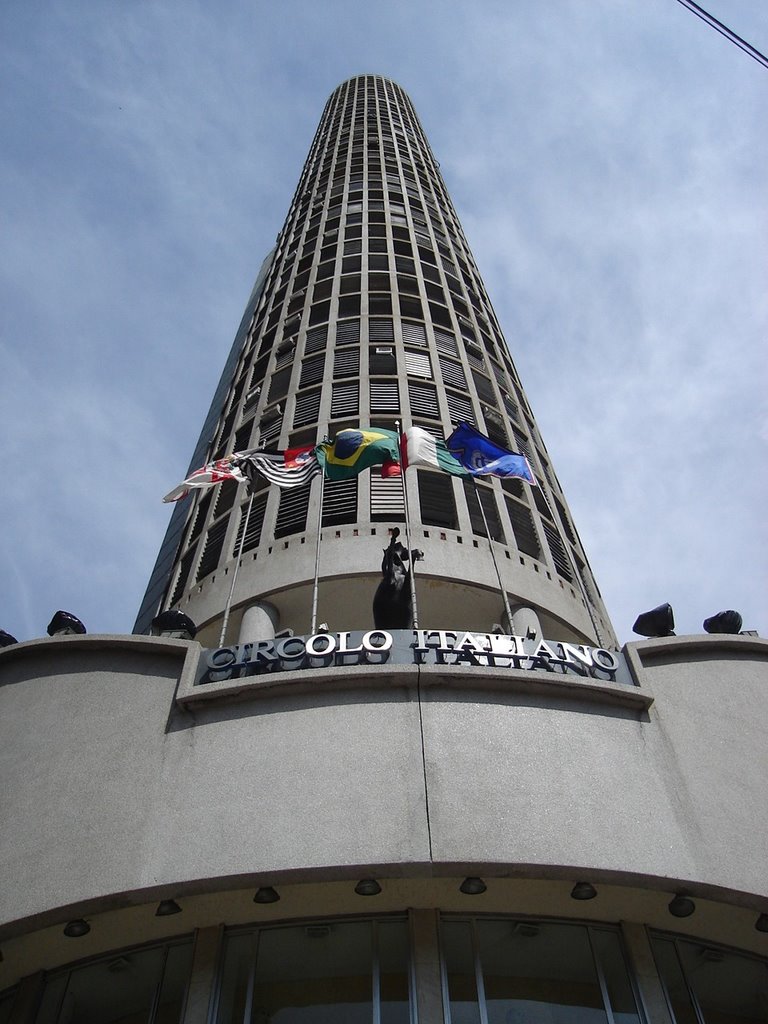
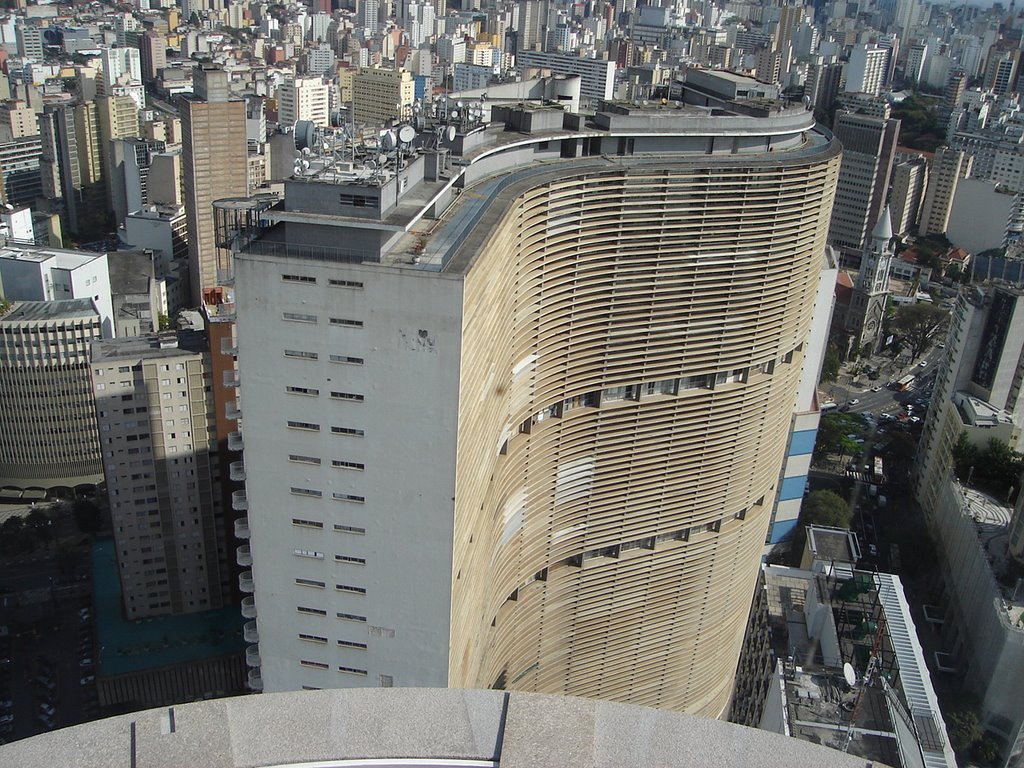
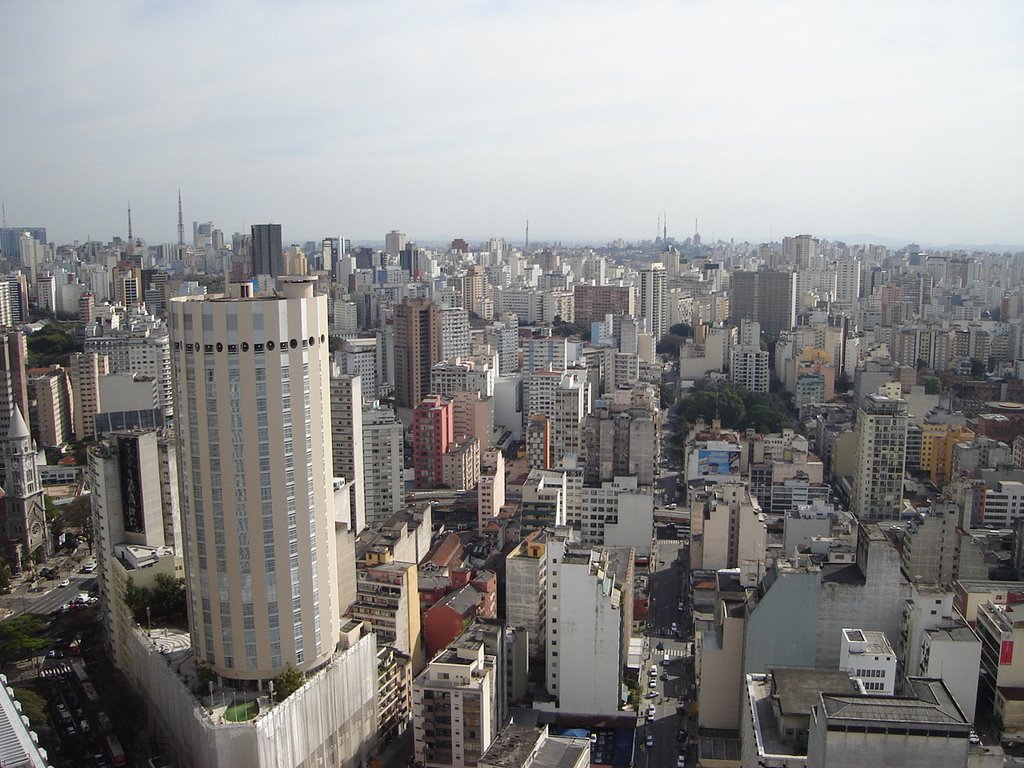
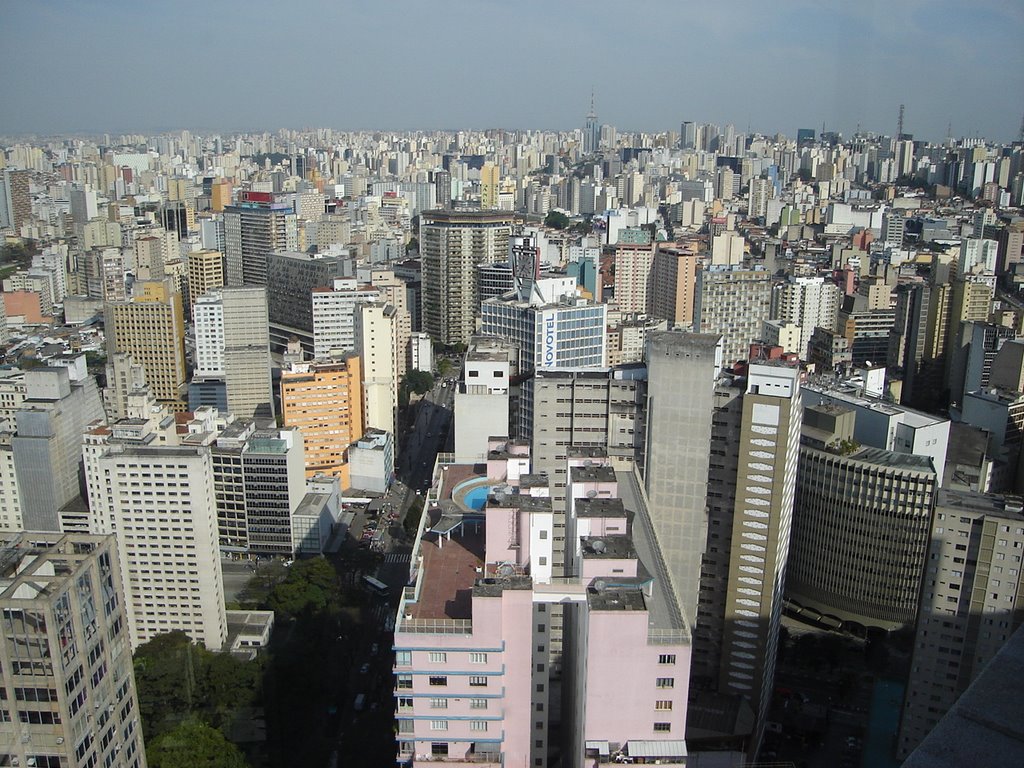
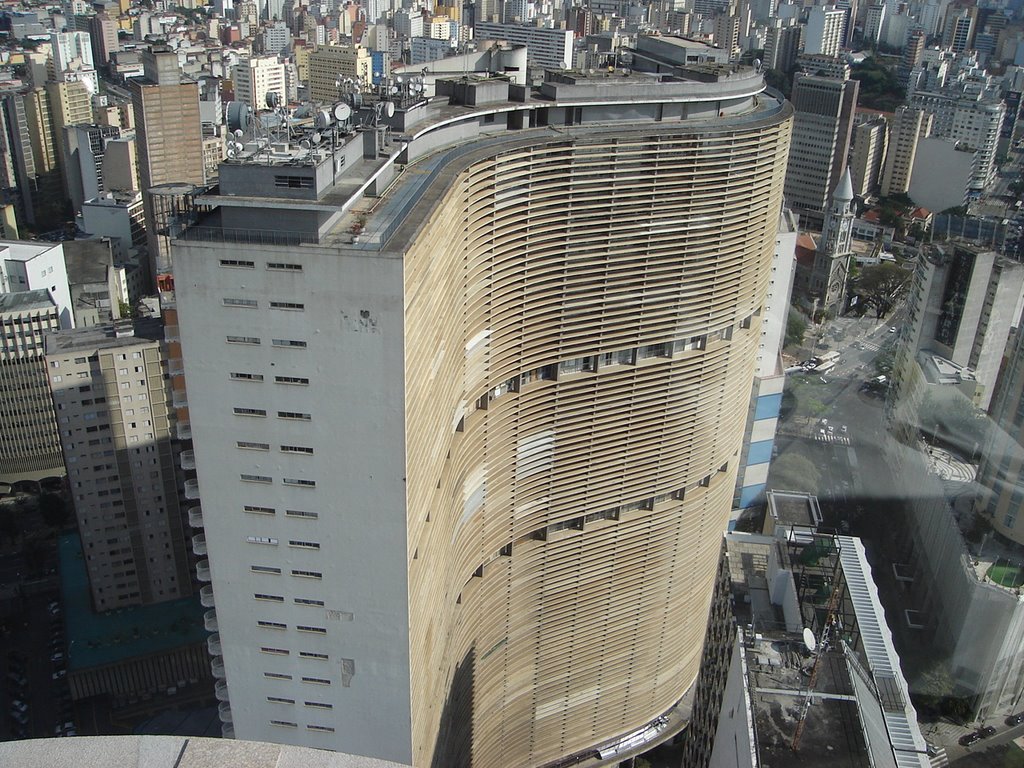
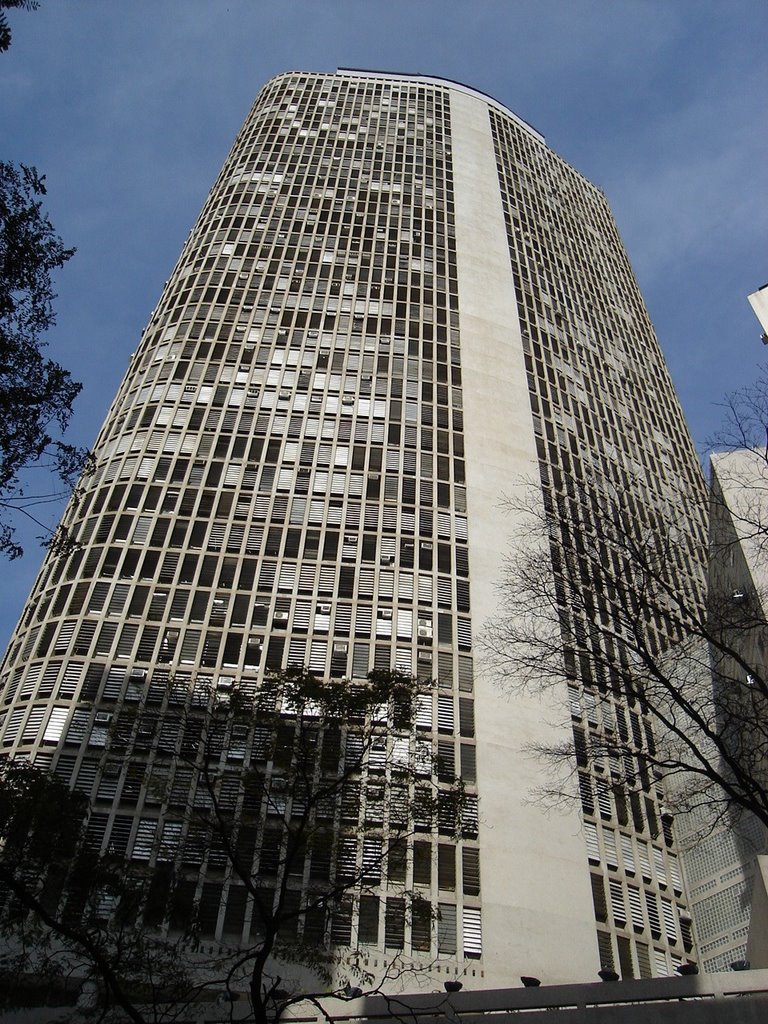
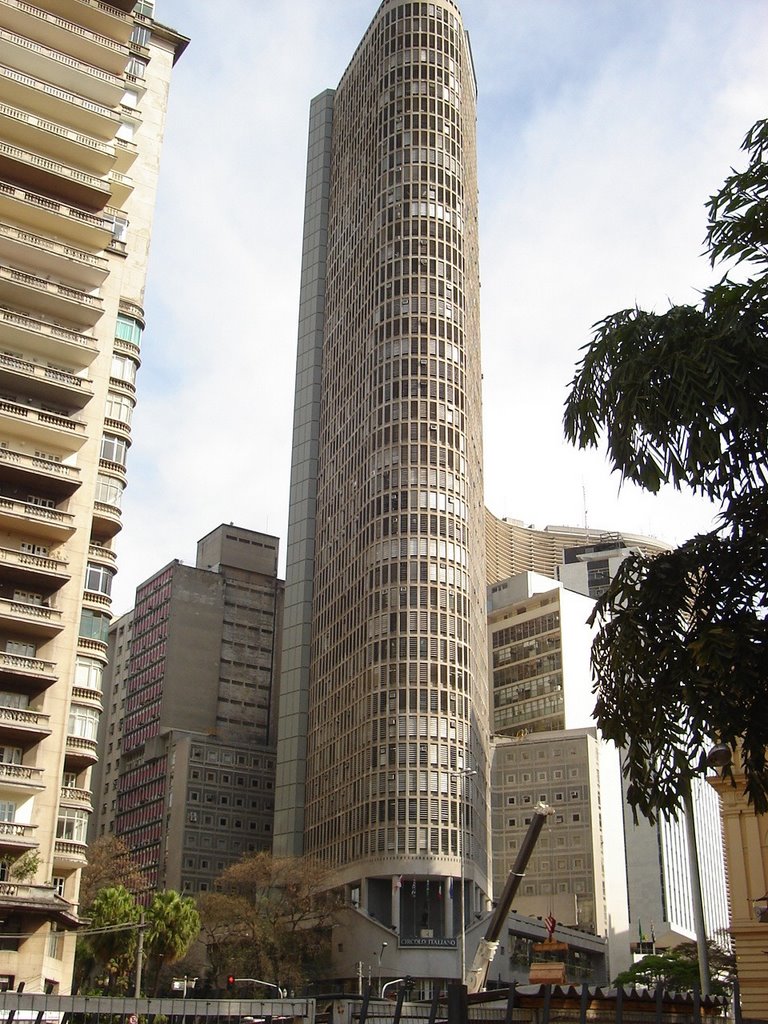
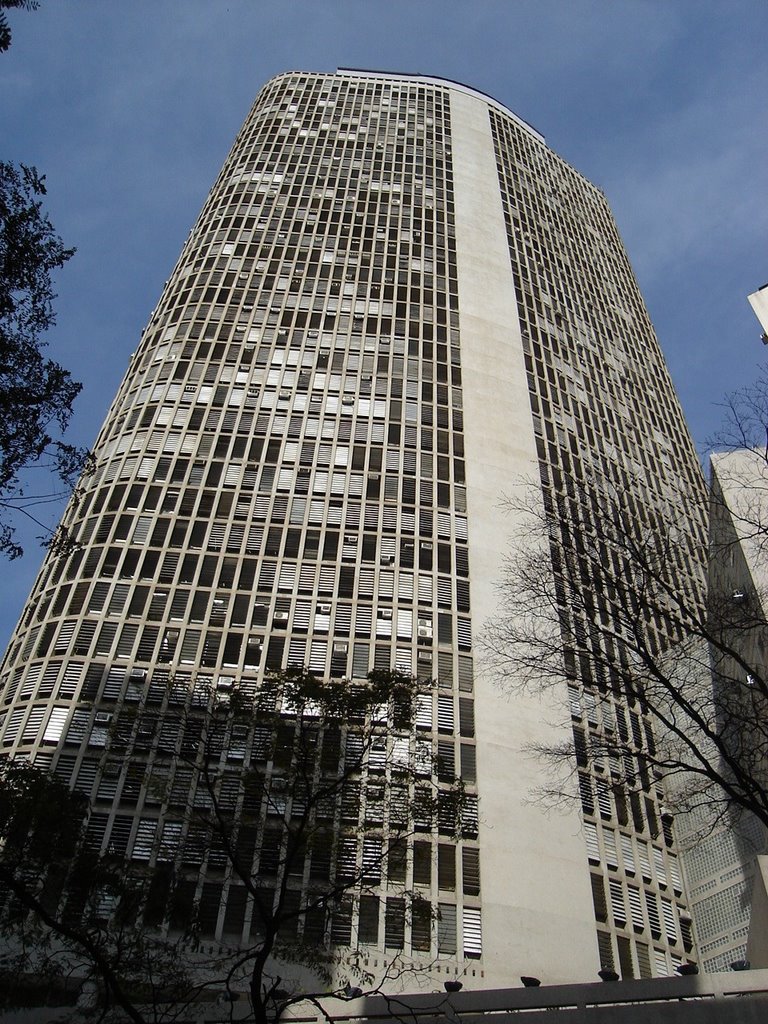
Views to São Paulo’s skyscrapers. Those photos were taken by Carlos Mascaro from the top of the Itália Building. I want to say that all the photos taken by my husband are the plus of this blog.


Edifício Itália, Avenida Ipiranga. Height, 165 m 541 ft, Floors, 46. Construction end 1965. Architect: Franz Heep

Amazing facts:

1) On the 45th floor is the Terraço Itália restaurant with sweeping views of the city.

2) Built to honor the thousands of Italian immigrants to São Paulo.

3) Upon completion, Edifício Itália became the 2nd tallest building in São Paulo.

4) The facade has 6,000 square meters of glass distributed in 4,000 windows.
(Information from Emporis Buildings)
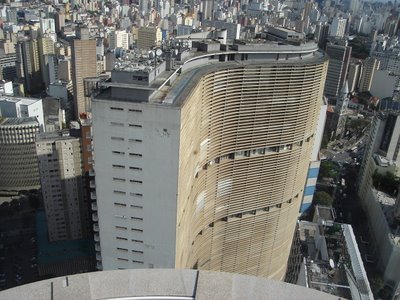


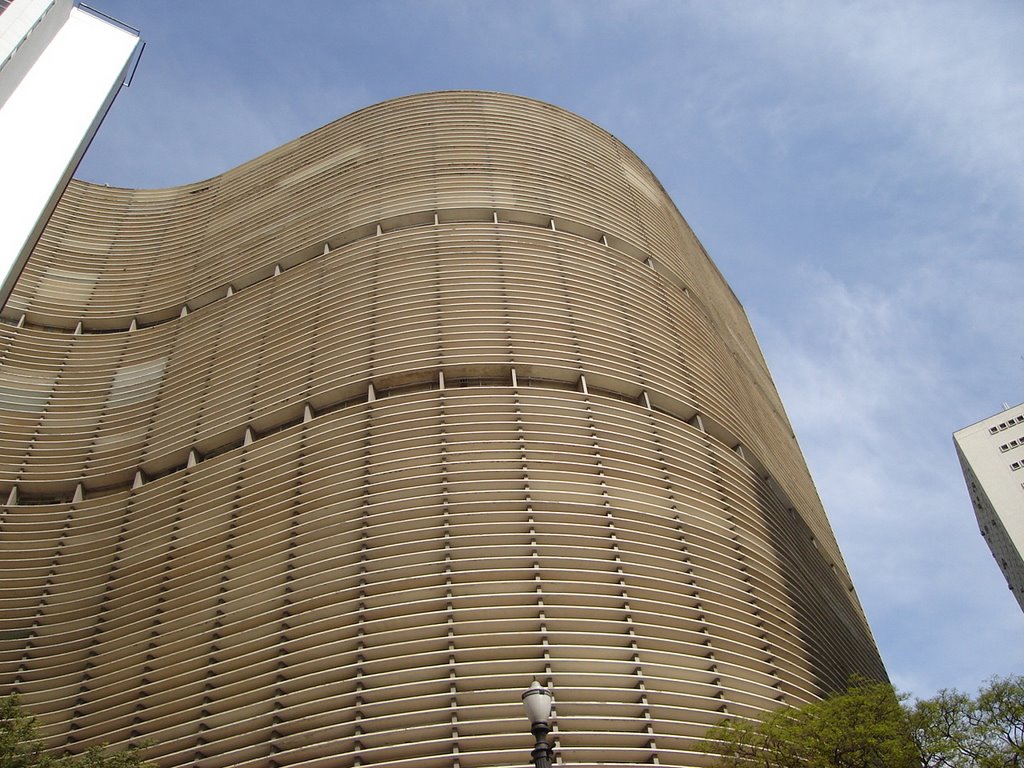
Copan Building, Avenida Ipiranga. Height, 140 m 459 ft, Floors, 40. Construction end 1953. Architect: Oscar Niemeyer.

"Amazing facts:

1) The building name was inspired by a Mayan Temple in Honduras.

2) The building is listed in the Guinness Book of World Records as the largest structure built in Brazil.

3) The condominium has 107 employees to serve and maintain the building.

4) Due to the large number of residents, the city hall gave the building its own ZIP code.

5) According to IBGE, a major research institute in Brazil, the building has a larger population than 547 cities in the country.

6) The Guinness Book of World Records also claims this building has the largest floor area of any residential structure in the world."
(Information from Emporis Buildings)
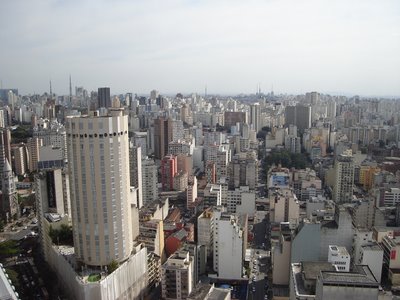


Hilton Hotel, Avenida Ipiranga. Height, 130 m 427 ft . Floors, 36. Construction end 1968.


The building you see with a flag atop the structure is Altino Arantes Building , (known as Edifício Banespa), Rua João Brícola. "The flag is 7.2 meters long by 5.4 meters wide. It is the ensign of the State of São Paulo and is replaced every month. Height, 161 m 528 ft, with 36 Floors. Construction end in 1947. Architect: Franz Heep and Plínio Botelho do Amaral."
"Amazing facts:

1) The building's form was inspired by the Empire State Building.

2) The building has 1119 windows and its staircase has 900 steps.

3) In 1947 this building surpassed
Prédio Martinelli as the tallest building in São Paulo.

4) Although the building is not the tallest in the city, it is located on the highest point in the downtown. This makes the observation deck one of the best spots in town for sightseeing.

5) The building facade is covered by porcelain pieces; inside the building some floors are decorated with Carrara marble and Ipê and Jacarandá parquet blocks.

6) The observation deck is open to public visitation. Every month about 5600 people visit the observation deck.

7) Tallest building from 1947 to 1960, until
Mirante do Vale was completed.

8) When completed, the building was the tallest high-rise building in the world outside the United States."
(Information from Emporis Buildings)


Photos by Carlos Mascaro

All information about those buildings comes from this great site: Emporis Buildings

UPDATE: The city of São Paulo, in accordance with City Mayors Statistics, “is the world’s second-largest city, has a population of just over 10 million people. If the whole metropolitan area is included, the figure reaches over 15 million. São Paulo is now Brazil's biggest city. São Paulo, the largest city of Brazil and of South America, is an ultramodern metropolis with skyscrapers, palatial homes, and spacious parks and recreational facilities. The state of São Paulo has 645 municipalities and a population of approximately 40 million inhabitants. With the country's best infrastructure and a highly skilled labor force, São Paulo can be called "Brazil's locomotive". São Paulo is also the financial and industrial center of Brazil. Because of its economic and demographic weight, São Paulo has always played a pivotal role in Brazilian politics."


Click on photos to enlarge


Wednesday, January 24, 2007

FELIZ ANIVERSÁRIO, SÃO PAULO! HAPPY BIRTHDAY, SÃO PAULO!

January 25, São Paulo's Birthday!
Happy 453 years!


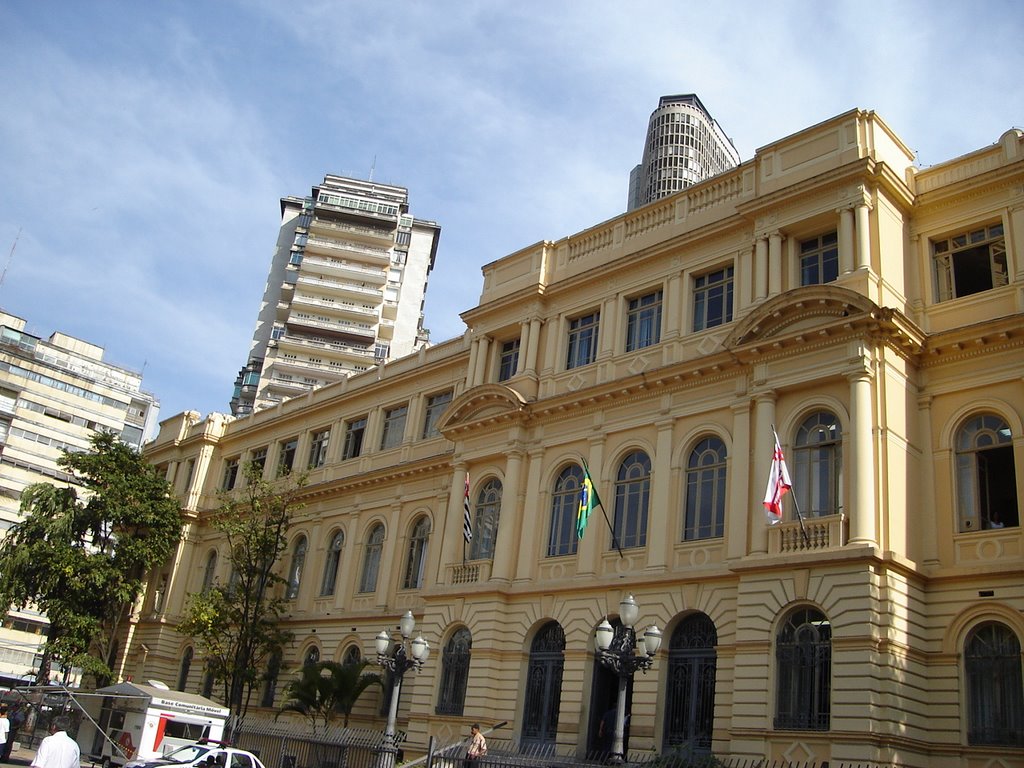
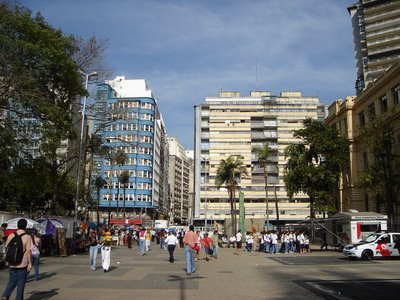
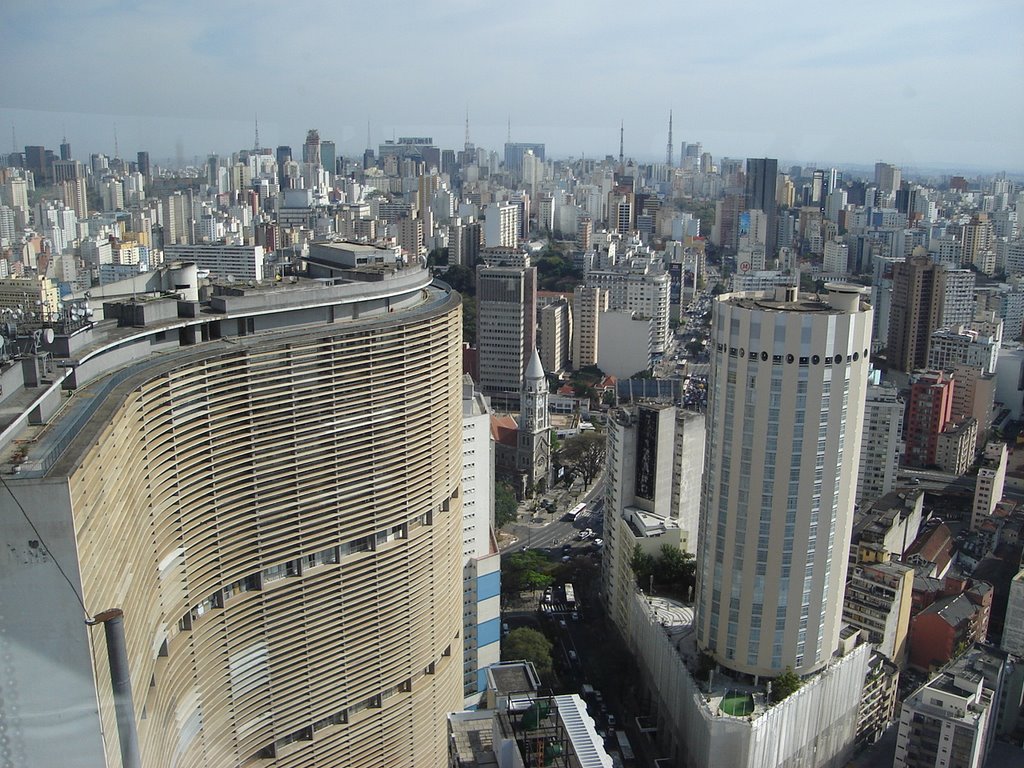
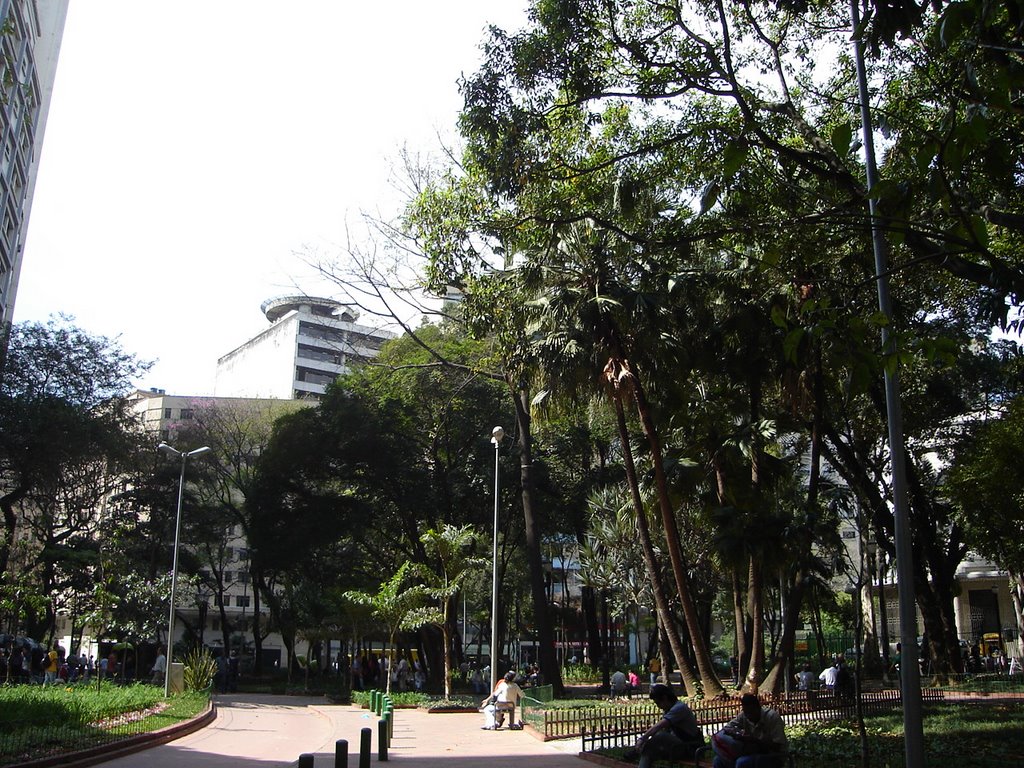
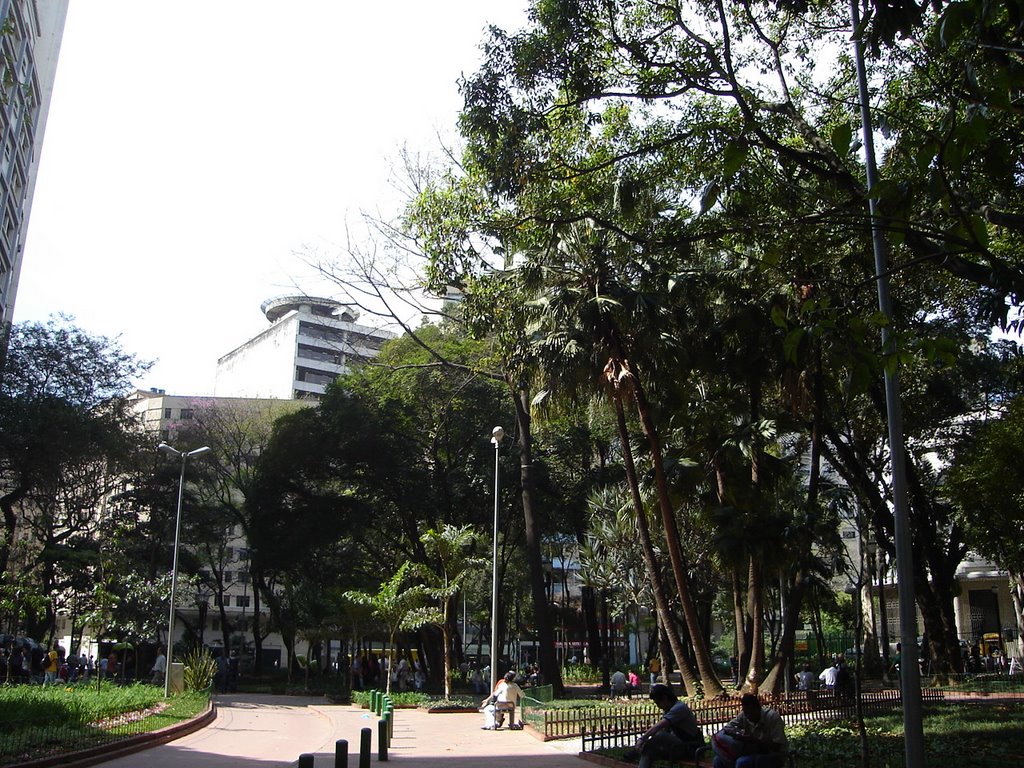
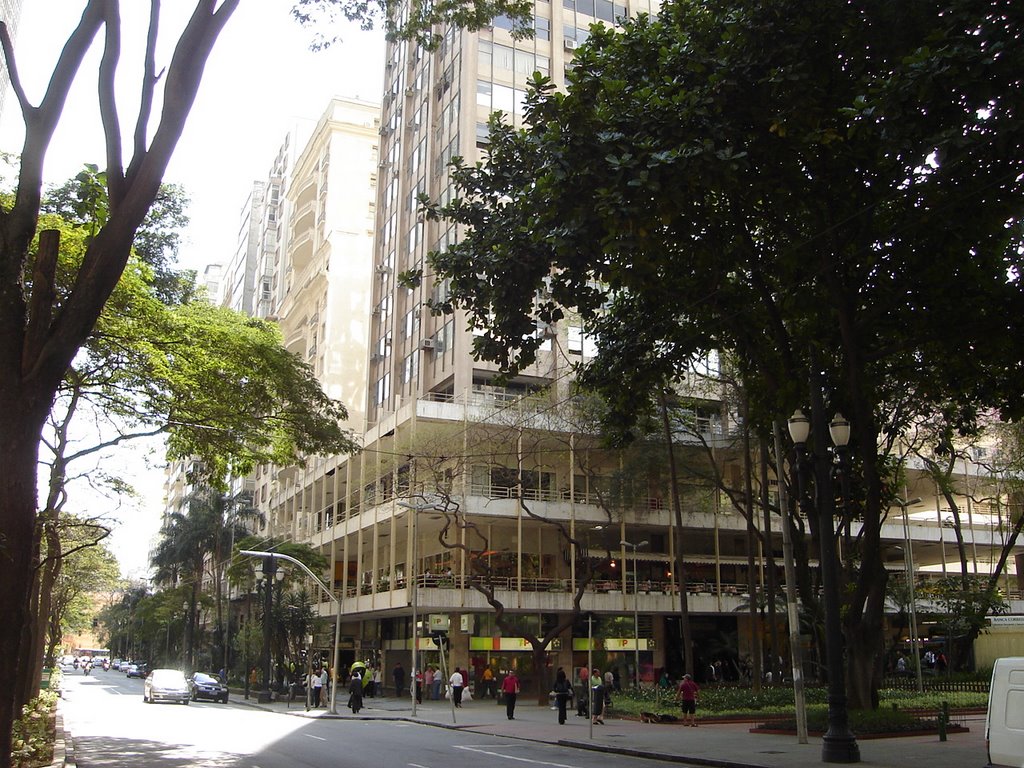
I was born and raised in the city of São Paulo. São Paulo (in English, Saint Paul) is the capital of the State of São Paulo in south eastern Brazil. This post is an homage to the Birthday of São Paulo! I chose these photos out of the hundreds my husband took from São Paulo because they are beautiful and also because they bring back some lovely memories for me. When I was young I studied for six years in this School called Instituto de Educação Caetano de Campos, at Praça da República, near those buildings you can see below. I hope you all enjoy these pictures.


Instituto de Educação Caetano de Campos (School)


Praça da República (Square)


You see in this panoramic photo the Escola Caetano de Campos (School), Itália Building, Copan Building and Hilton Building, in the center of the city. Photo by www.fotosedm.hpg.ig.com.br

.

The "S" shaped building is one of Niemeyer's buildings named Edifício Copan. About five thousand people living in this building. Oscar Niemeyer (1907-) is the most famous Brazilian architect wich among many other things designed the whole Brasilia town, capital of the country since 1960. These photos were taken by Carlos Mascaro from the top of the Itália Building.


Itália Building


Building at Avenida São Luís

.

Avenida São Luís (Avenue)


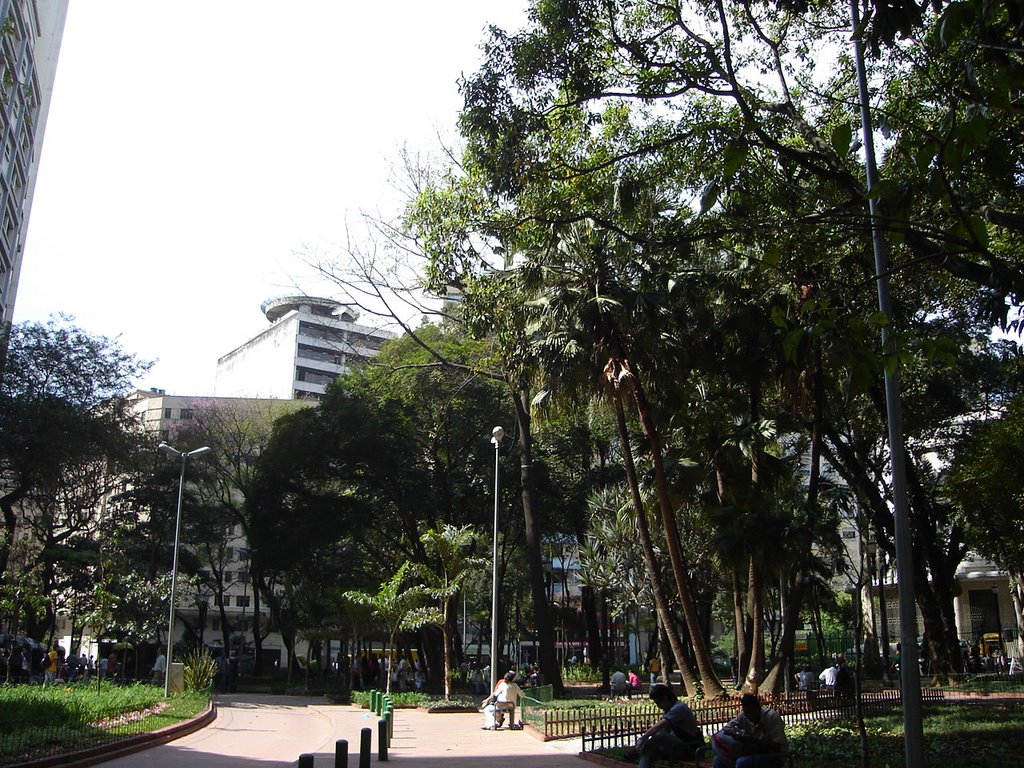
Praça Dom José Gaspar (Square)


.
..............................................
Photos by Carlos Mascaro
Another photos of São Paulo you can see here and here.
Click on photos to enlarge

Thursday, January 18, 2007

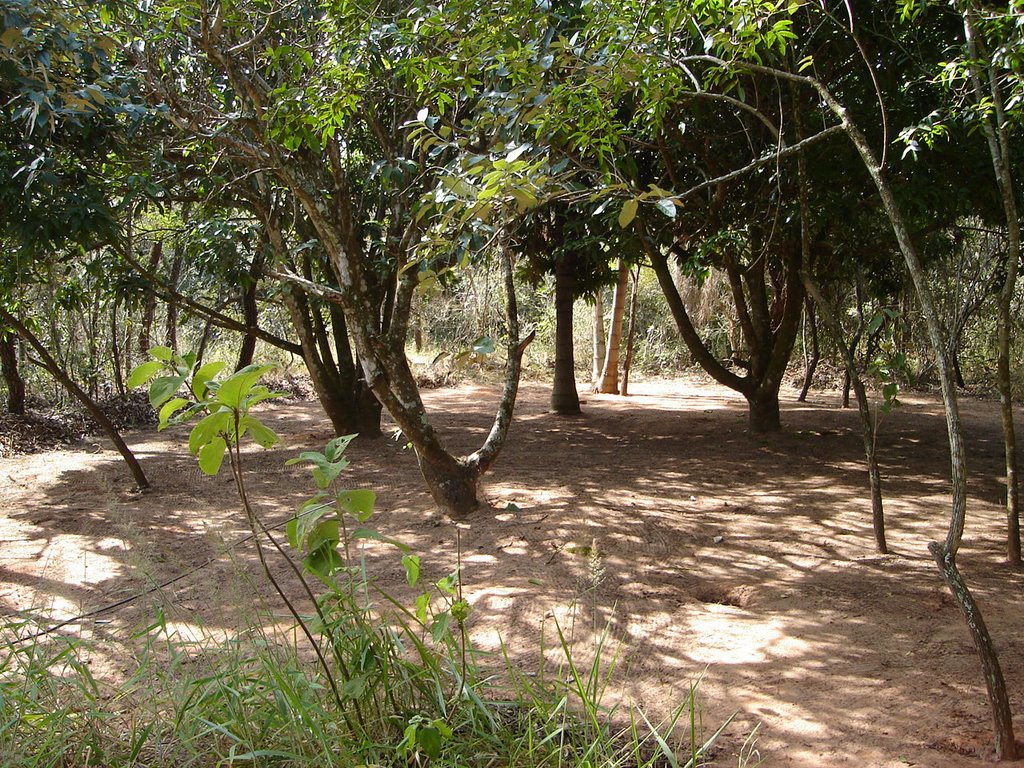
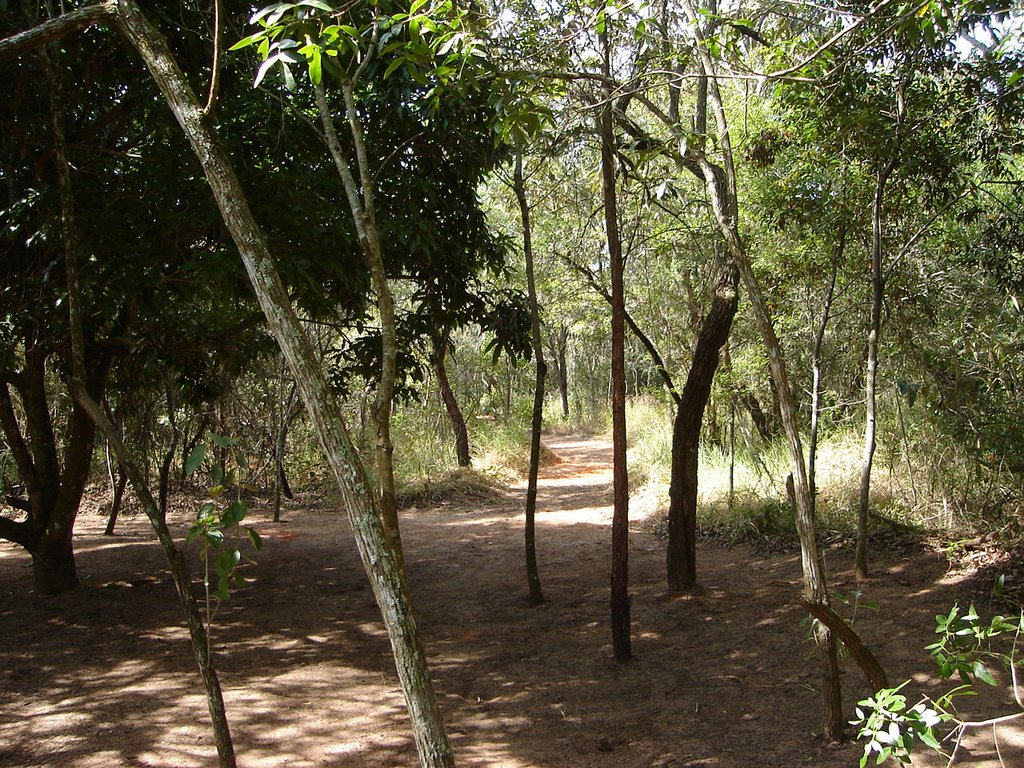
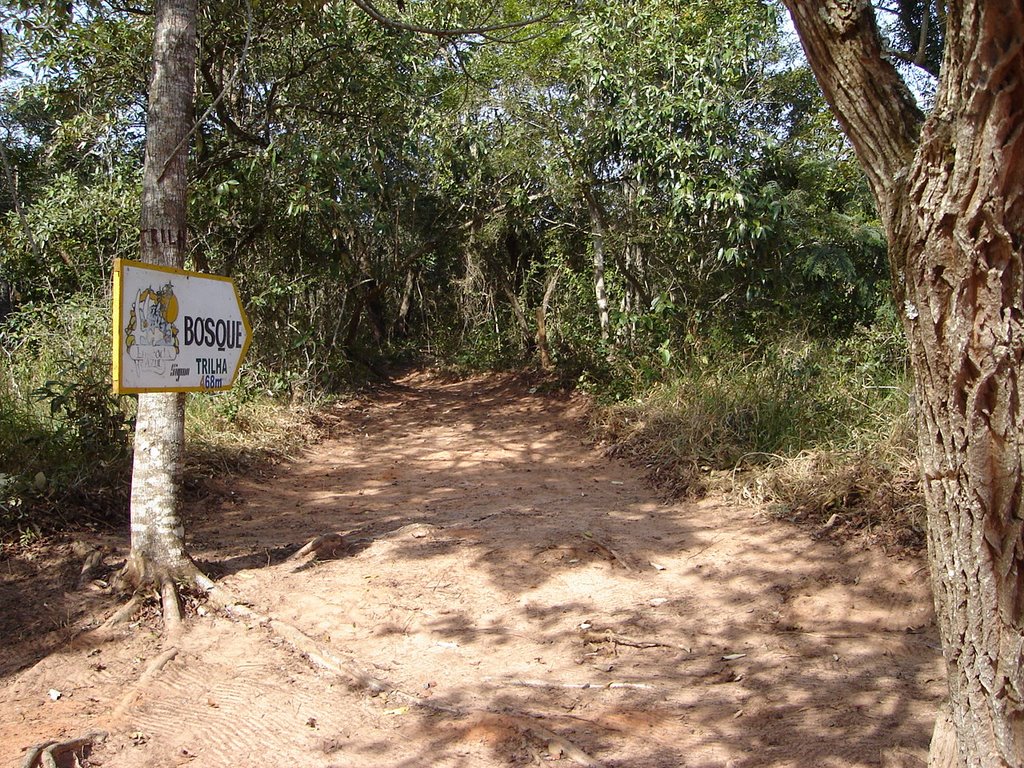
A WALK IN THE PARK - UM PASSEIO NO BOSQUE


Photos by Carlos Mascaro
.
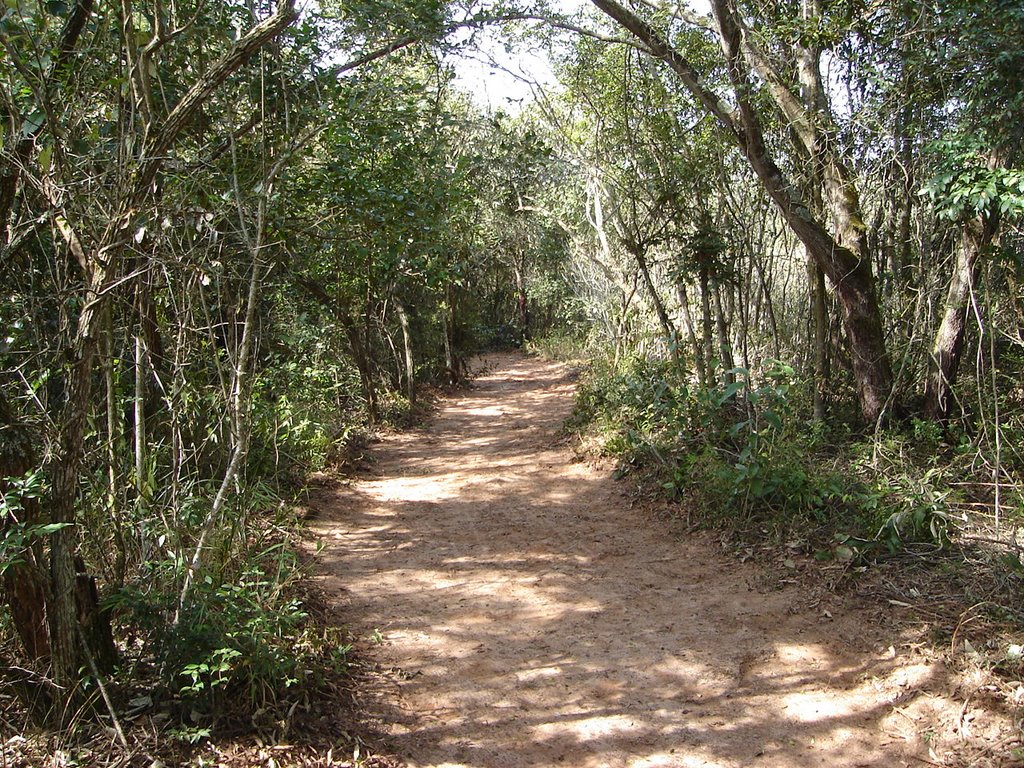
"Cerrado" is the regional name given to the Brazilian ecosystem which is similar to savannas. "Cerrado" is formed by vegetal formations of variable aspects and physiognomy, mainly of small and twisted trees that become covered to an exuberant creeping plants.
.

"The Cerrado is 1,916,900 km² (740,100 sq mi) in size, covering the Brazilian states of Goiás, the Federal District, most of Mato Grosso, Mato Grosso do Sul, and Tocantins, the western portions of Minas Gerais and Bahia, the southern portions of Maranhão and Piauí, small portions of São Paulo, Roraima and Paraná. The Cerrado also extends into northeastern Paraguay and eastern Bolivia. The Cerrado accounts for 22% of Brazil's area, an area the size of Alaska. It is the largest savanna in South America."

"The Cerrado is characterised by an enormous range of plant and animal biodiversity. According to the World Wide Fund for Nature, it is biologically the richest savanna in the world. The region is increasingly threatened by single-crop monoculture plantations (particularly soybeans), the expansion of agriculture in general, and the burning of the vegetation for charcoal."

"The "cerrado" are not homogenous. There is great variation between the amount of woody and herbaceous vegetation, forming a gradient from completely open "cerrado" — open fields dominated by grasses — to the closed, forest-like "cerrado" and the "cerradão" ("big cerrado"), a closed canopy forest. Intermediate forms include the dirty field, the "cerrado" field, and the "cerrado" sensu stricto, according to a growing density of trees."

"The "cerrado" trees have characteristic twisted trunks covered by a thick bark, and leaves which are usually broad and rigid. Many herbaceous plants have extensive roots to store water and nutrients. The plant's thick bark and roots serve as adaptations for the periodic fires which sweep the cerrado landscape. The adaptations protect the plants from destruction and make them capable of sprouting again after the fire."


"Despite the fact that the "cerrado" covers an area equal to that of Western Europe (2 million km²), the cerrado's importance has been overshadowed by its more emotive cousin, the Amazon rainforest."

You can read more about "Cerrado" and also see beautiful photos in this great site.


Click on photos to enlarge