Search This Blog

Showing posts with label Spors Car. Show all posts

Friday, October 1, 2010

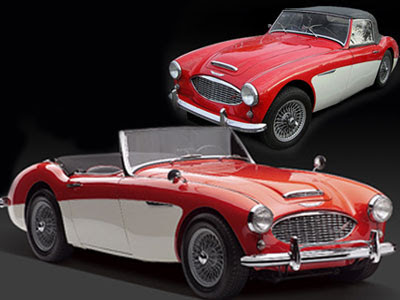
Frogeye Sprite Austin Healey the first of several Sprite models


Frogeye Sprite Austin Healey

Frogeye Sprite Austin Healey the first of several Sprite models.
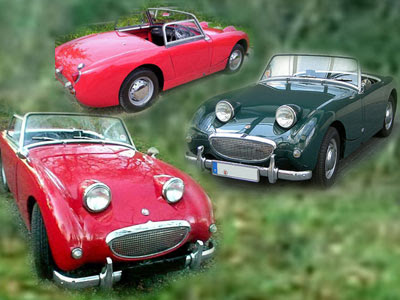
The Austin Healey Sprite which was introduced in 1958 was a diminutive roadster with an unmistakable headlight arrangement.
The prominent headlights were initially intended to be flip-up units. However the cost of retractable headlights was to high, and instead they were fixed in what would have been the 'up' position. Their unusual location gave rise to the cars affectionate nickname, the "Frogeye" Sprite.
The Austin Healey Sprite MK I was powered by a 1.0 litre, inline, four cylinder engine which developed a grand total of 43 horsepower. Coupled to a four speed manual gearbox it was capable of propelling the car up to 84 mph.
The Frogeye Sprite (which was discontinued in 1961) was the first of several Sprite models. In 1962 the MK II Austin Healey Sprite was introduced. The MK II introduced several updates, the most noticeable of which was a more conventional headlight layout. From 1961 the Austin Healey Sprite was also sold as the MG Midget.

Frogeye Sprite Austin Healey the first of several Sprite models


Frogeye Sprite Austin Healey

Frogeye Sprite Austin Healey the first of several Sprite models.
The Austin Healey Sprite which was introduced in 1958 was a diminutive roadster with an unmistakable headlight arrangement.
The prominent headlights were initially intended to be flip-up units. However the cost of retractable headlights was to high, and instead they were fixed in what would have been the 'up' position. Their unusual location gave rise to the cars affectionate nickname, the "Frogeye" Sprite.
The Austin Healey Sprite MK I was powered by a 1.0 litre, inline, four cylinder engine which developed a grand total of 43 horsepower. Coupled to a four speed manual gearbox it was capable of propelling the car up to 84 mph.
The Frogeye Sprite (which was discontinued in 1961) was the first of several Sprite models. In 1962 the MK II Austin Healey Sprite was introduced. The MK II introduced several updates, the most noticeable of which was a more conventional headlight layout. From 1961 the Austin Healey Sprite was also sold as the MG Midget.

Monday, August 30, 2010

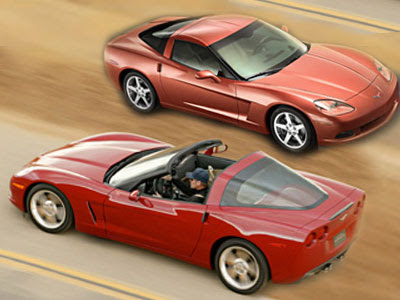
C6 Chevrolet Corvette A new LS2 Sport Car


C6 Chevrolet Corvette A new LS2

Dave Hill,
chief engineer of the Corvette and vehicle line executive for GM Performance Cars.The C6 represents a comprehensive upgrade to the Corvette.The Corvette C6 was introduced in 2005 to replace the outgoing C5 (1997 - 2004) model.
Blends technical sophistication with expressive style The sixth generation Corvette. Five inches shorter than the C5, the C6 Corvette cuts a tighter, more taut profile – with virtually no loss of usable space. More than just visual, the new dimensions make the car more agile and “tossable,” with upgrades in handling, acceleration and braking. At 0.28 coefficient of drag, the C6 is the most aerodynamically efficient Corvette ever and has improved anti-lift characteristics that enable improved high-speed stability and confidence.
C6 Chevrolet Corvette A new LS2


A new LS2 6.0-liter small-block V-8 is the standard engine in the Corvette C6. It is based on GM’s new Gen IV small-block family of engines.
The LS2 raises the bar for standard performance in the Corvette, delivering estimated peak output levels of 400 horsepower and 400 lb.-ft. of torque. It is the largest, most powerful standard small-block engine ever offered in Corvette.

C6 Chevrolet Corvette A new LS2 Sport Car


C6 Chevrolet Corvette A new LS2

Dave Hill,
chief engineer of the Corvette and vehicle line executive for GM Performance Cars.The C6 represents a comprehensive upgrade to the Corvette.The Corvette C6 was introduced in 2005 to replace the outgoing C5 (1997 - 2004) model.
Blends technical sophistication with expressive style The sixth generation Corvette. Five inches shorter than the C5, the C6 Corvette cuts a tighter, more taut profile – with virtually no loss of usable space. More than just visual, the new dimensions make the car more agile and “tossable,” with upgrades in handling, acceleration and braking. At 0.28 coefficient of drag, the C6 is the most aerodynamically efficient Corvette ever and has improved anti-lift characteristics that enable improved high-speed stability and confidence.
C6 Chevrolet Corvette A new LS2


A new LS2 6.0-liter small-block V-8 is the standard engine in the Corvette C6. It is based on GM’s new Gen IV small-block family of engines.
The LS2 raises the bar for standard performance in the Corvette, delivering estimated peak output levels of 400 horsepower and 400 lb.-ft. of torque. It is the largest, most powerful standard small-block engine ever offered in Corvette.

Sunday, August 29, 2010

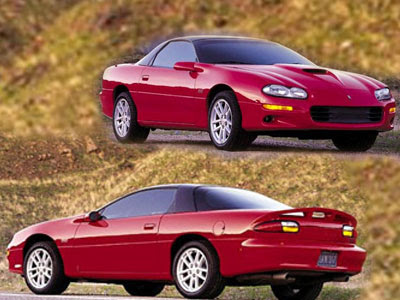
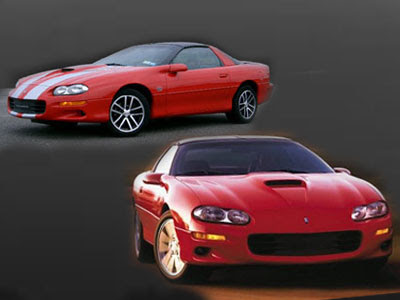
Z28 Chevrolet Camaro LS1 V8 Sports Coupe


Z28 Chevrolet Camarore LS1 V8 Sports Coupe


The MK IV Chevrolet Camaro retained the same layout as the very first Camaro's back in 1967, 2-doors, 2+2 seating, rear-wheel drive, choice of V6 and V8 powerplants, and available in both coupe and convertible forms (the convertible was introduced in 1994).
The fourth-generation Chevrolet Camaro debuted for the 1993 model year on the previous generation Camaro platform.
Z28 Chevrolet Camarore LS1 V8 Sports Coupe


The MK4 Camaro
featured the 5.7 L (350 cid) LT1 V8 engine that had been introduced in the Corvette one year earlier, as well as an optional six-speed manual transmission. The 1998 model year was refreshed and revised with both exterior and engine changes. Replacing the LT1 was GM's all-new 5.7 L (346 cid) LS1 which had been introduced with the Corvette C5.
The Camaro is to return in 2009 however as a retro styled sports coupe.
The fourth-gen Camaro would last up through the 2002 model year, at which point production was stopped due to slow sales.

Friday, August 27, 2010

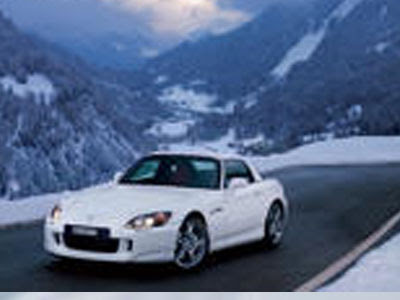
Honda S2000 Sports Car Ultimate Edition powered by VTEC engine has won the International Engine


Honda S2000 Ultimate Edition


This limited edition has been produced to mark the end of production for the award winning sports car.Honda has announced that the Honda S2000 Ultimate Edition goes on sale in Europe in March 2009.
The Honda S2000 Ultimate Edition retains its highly acclaimed 2.0 litre 9000 rpm VTEC engine and combines it with a Grand Prix White body and graphite coloured alloy wheels. The shade of the paint evokes the colour first used on Honda's 1964 F1 car and many sporting models since. The exterior colour combination with the dark metal alloy wheels and unique black S2000 badging gives a fresh look to the timeless shape of the roadster body.
Honda S2000 Ultimate Edition


The white exterior will be matched with a red leather interior and complimented by unique red colouring for stitching on the gear lever gaiter. Ultimate Editions will be marked out by their unique numbered plaques on the kickplates, denoting their position in the series.
The 2-seater sports car may now be almost 10-years old, but its 240PS 2-litre is still one of the highest output per litre and highest revving engines ever made. In recognition of its incredible power output, the Honda S2000's engine has won the International Engine of the Year category for 1.8 to 2.2 litre engines five times in its lifetime.
As the name suggests, the Honda S2000 Ultimate Edition will be the last version before global production of the model ceases altogether at the end of June 2009. Since the introduction of the Honda S2000 in 1999 until the end of 2008, Honda has sold 110,673 units worldwide - 19,987 of those in Europe.

Honda S2000 Sports Car Ultimate Edition powered by VTEC engine has won the International Engine


Honda S2000 Ultimate Edition


This limited edition has been produced to mark the end of production for the award winning sports car.Honda has announced that the Honda S2000 Ultimate Edition goes on sale in Europe in March 2009.
The Honda S2000 Ultimate Edition retains its highly acclaimed 2.0 litre 9000 rpm VTEC engine and combines it with a Grand Prix White body and graphite coloured alloy wheels. The shade of the paint evokes the colour first used on Honda's 1964 F1 car and many sporting models since. The exterior colour combination with the dark metal alloy wheels and unique black S2000 badging gives a fresh look to the timeless shape of the roadster body.
Honda S2000 Ultimate Edition


The white exterior will be matched with a red leather interior and complimented by unique red colouring for stitching on the gear lever gaiter. Ultimate Editions will be marked out by their unique numbered plaques on the kickplates, denoting their position in the series.
The 2-seater sports car may now be almost 10-years old, but its 240PS 2-litre is still one of the highest output per litre and highest revving engines ever made. In recognition of its incredible power output, the Honda S2000's engine has won the International Engine of the Year category for 1.8 to 2.2 litre engines five times in its lifetime.
As the name suggests, the Honda S2000 Ultimate Edition will be the last version before global production of the model ceases altogether at the end of June 2009. Since the introduction of the Honda S2000 in 1999 until the end of 2008, Honda has sold 110,673 units worldwide - 19,987 of those in Europe.

Sunday, August 8, 2010

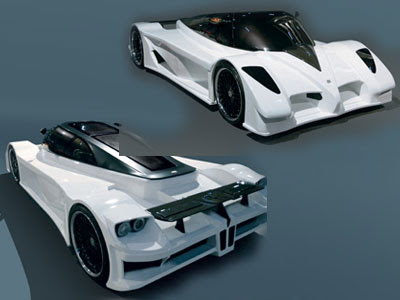
Beck LM 800 Supercar twin turbocharged V8


Beck LM 800 Supercar twin turbocharged V8


The Beck LM 800 is built on the principle of lightweight and aerodynamic efficiency. It uses composite materials to to keep the weight down and a form over function styling brief to keep the frontal area and drag coefficient to a minimum.
The LM 800 is a supercar from Beck Engineering & Composites GmbH based in Switzerland. The Beck LM 800 went on show in January 2007 in Vienna.
The construction of the Beck LM 800 is similar to that found in Formula 1 race cars with a carbon, Kevlar and aluminium composite monocoque protecting the driver and passenger, as well as providing a rigid base to attach the engine and transmission mounts and front control arms of the chassis. The LM 800 has an electronically controlled, hydraulic active chassis also influenced by F1 technology, which reacts to telemetry data and helps to keep the car firmly stuck to the road.
The engine is a V8 especially produced by MTM for the Beck LM 800 with a displacement of 4.2 litres and, thanks to two turbochargers, delivers a performance of around 650 HP (variable from 550 - 1000 hp) to the drive shaft. The drive unit is designed in such a way that even acceleration is achieved across the entire range up to a top speed of over 217 mph. The semi-sequential 7-speed gearbox is perfectly coordinated with the Beck LM 800 and reacts instantly to driver input.
The wheels of the Beck LM 800 are specially made and formed from aluminium. An in-built hydraulic jacking system makes tire changes a breeze.

Beck LM 800 Supercar twin turbocharged V8


Beck LM 800 Supercar twin turbocharged V8


The Beck LM 800 is built on the principle of lightweight and aerodynamic efficiency. It uses composite materials to to keep the weight down and a form over function styling brief to keep the frontal area and drag coefficient to a minimum.
The LM 800 is a supercar from Beck Engineering & Composites GmbH based in Switzerland. The Beck LM 800 went on show in January 2007 in Vienna.
The construction of the Beck LM 800 is similar to that found in Formula 1 race cars with a carbon, Kevlar and aluminium composite monocoque protecting the driver and passenger, as well as providing a rigid base to attach the engine and transmission mounts and front control arms of the chassis. The LM 800 has an electronically controlled, hydraulic active chassis also influenced by F1 technology, which reacts to telemetry data and helps to keep the car firmly stuck to the road.
The engine is a V8 especially produced by MTM for the Beck LM 800 with a displacement of 4.2 litres and, thanks to two turbochargers, delivers a performance of around 650 HP (variable from 550 - 1000 hp) to the drive shaft. The drive unit is designed in such a way that even acceleration is achieved across the entire range up to a top speed of over 217 mph. The semi-sequential 7-speed gearbox is perfectly coordinated with the Beck LM 800 and reacts instantly to driver input.
The wheels of the Beck LM 800 are specially made and formed from aluminium. An in-built hydraulic jacking system makes tire changes a breeze.

Friday, August 6, 2010

MK III Austin Healey 3000 Improved due to engine modifications.


The Austin Healey 3000


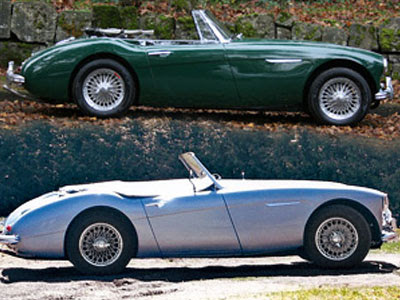
The Austin Healey 3000 was the replacement car for the Austin Healey 100/6. The Austin Healey 3000 was a superior car to its predecessor, equipped with many improved features and updated parts. During its production lifetime the Austin Healey 3000 went through three different versions, the MK I, MK II and MK III.
The Austin Healey 3000 MK I (1959 - 1961) was fitted with a 3.0 litre inline six cylinder engine developing 124 horsepower. The engine was equipped with twin SU carburetors. And the car featured disc brakes at the front.
The Austin Healey 3000 MK II (1961 - 1963) introduced several improvements and design changes. The engine was enhanced by the fitment of triple SU carburettors which bumped the power up to 132 horsepower. In 1962 the BT7 2+2 version was introduced. This seating layout became the only option from 1962 onwards. The Austin Healey 3000 MK IIa introduced wind-up windows, a curved windscreen, and a convertible hood.
The Austin Healey 3000


The Austin Healey 3000 MK III (1963 - 1967) was the final version of the 3000 model. The performance was improved due to engine modifications. Peak power was raised to 148 horsepower, giving the 3000 MK III a top speed of 120 mph. The brakes were also enhanced with the fitment of a servo.
In 1967, due to new safety regulations in the cars biggest market - America, the Austin Healey 3000 was discontinued. It's replacement, the MGC, was nowhere near as popular as the Austin Healey 3000.
During its lifetime the Austin Healey 3000 proved to be a capable racing car. And it competed successfully in rally and road races around the world.

MK III Austin Healey 3000 Improved due to engine modifications.


The Austin Healey 3000


The Austin Healey 3000 was the replacement car for the Austin Healey 100/6. The Austin Healey 3000 was a superior car to its predecessor, equipped with many improved features and updated parts. During its production lifetime the Austin Healey 3000 went through three different versions, the MK I, MK II and MK III.
The Austin Healey 3000 MK I (1959 - 1961) was fitted with a 3.0 litre inline six cylinder engine developing 124 horsepower. The engine was equipped with twin SU carburetors. And the car featured disc brakes at the front.
The Austin Healey 3000 MK II (1961 - 1963) introduced several improvements and design changes. The engine was enhanced by the fitment of triple SU carburettors which bumped the power up to 132 horsepower. In 1962 the BT7 2+2 version was introduced. This seating layout became the only option from 1962 onwards. The Austin Healey 3000 MK IIa introduced wind-up windows, a curved windscreen, and a convertible hood.
The Austin Healey 3000


The Austin Healey 3000 MK III (1963 - 1967) was the final version of the 3000 model. The performance was improved due to engine modifications. Peak power was raised to 148 horsepower, giving the 3000 MK III a top speed of 120 mph. The brakes were also enhanced with the fitment of a servo.
In 1967, due to new safety regulations in the cars biggest market - America, the Austin Healey 3000 was discontinued. It's replacement, the MGC, was nowhere near as popular as the Austin Healey 3000.
During its lifetime the Austin Healey 3000 proved to be a capable racing car. And it competed successfully in rally and road races around the world.

Thursday, August 5, 2010

AC Cobra 212 S/C Sports Car 3506 cc V8 Twin Turbo (Lotus) Engine


AC Cobra 212 S/C

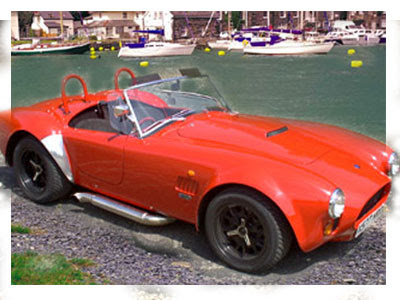
The AC Cobra 212 S/C used the ultra low weight of the advanced Formula One carbon fibre body technology pioneered on the AC Cobra MKIV CRS. High performance Avon tyres have been selected to create a special road/race package for the AC Cobra 212 S/C to ensure that the output of the Lotus V8 reaches the road.Powering the AC 212 S/C is a 350 bhp Lotus engineered 3.5 Litre, V8, Twin Turbo engine mated to a 6 speed gearbox all hidden under a carbon fiber body.
John Owen says,"With the AC 212 S/C we've been able to bring together three tremendous assets in the same package".
AC Car Group Limited's Chief Engineer and the man who earlier led the Lotus design team which conceived the V8 unit. "We've got the ultimate sports car looks of the iconic AC Cobra. We've developed the pioneering F1 carbon fibre technology from the CRS. And we've mated all of this to one of the most powerful engines available today - the Lotus V8."
The car develops 350 bhp at 6,500 rpm and 295 lb ft of torque at 4,000 rpm. It drives through a Tremec T56 six-speed manual gearbox and BTR Hydratrak final drive (ratio 3.73:1) to the rear axle. Power steering is standard together with AP Racing dual circuit servo-assisted ventilated discs all round.The specifications of the AC Cobra 212 S/C model reflects the power of the 3.5 litre Lotus engine with twin Garratt turbochargers.
"The AC Cobra 212 S/C is a hugely valuable addition to our line up of models which so proudly display their AC Cobra pedigree", said Mike Hall, AC Car Group Limited's Joint Chairman. "

AC Cobra 212 S/C Sports Car 3506 cc V8 Twin Turbo (Lotus) Engine


AC Cobra 212 S/C

The AC Cobra 212 S/C used the ultra low weight of the advanced Formula One carbon fibre body technology pioneered on the AC Cobra MKIV CRS. High performance Avon tyres have been selected to create a special road/race package for the AC Cobra 212 S/C to ensure that the output of the Lotus V8 reaches the road.Powering the AC 212 S/C is a 350 bhp Lotus engineered 3.5 Litre, V8, Twin Turbo engine mated to a 6 speed gearbox all hidden under a carbon fiber body.
John Owen says,"With the AC 212 S/C we've been able to bring together three tremendous assets in the same package".
AC Car Group Limited's Chief Engineer and the man who earlier led the Lotus design team which conceived the V8 unit. "We've got the ultimate sports car looks of the iconic AC Cobra. We've developed the pioneering F1 carbon fibre technology from the CRS. And we've mated all of this to one of the most powerful engines available today - the Lotus V8."
The car develops 350 bhp at 6,500 rpm and 295 lb ft of torque at 4,000 rpm. It drives through a Tremec T56 six-speed manual gearbox and BTR Hydratrak final drive (ratio 3.73:1) to the rear axle. Power steering is standard together with AP Racing dual circuit servo-assisted ventilated discs all round.The specifications of the AC Cobra 212 S/C model reflects the power of the 3.5 litre Lotus engine with twin Garratt turbochargers.
"The AC Cobra 212 S/C is a hugely valuable addition to our line up of models which so proudly display their AC Cobra pedigree", said Mike Hall, AC Car Group Limited's Joint Chairman. "

Spiess TC 522 prototype supercar twin-turbo V8


Spiess TC 522 prototype supercar twin-turbo V8

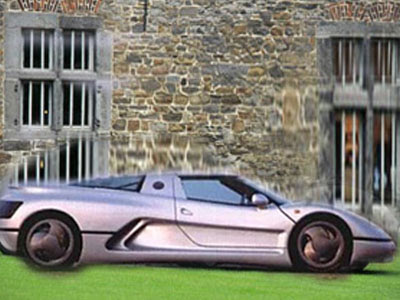
The Spiess TC 522 was a supercar prototype from 1992. It was created by a Spiess, a German company better known for creating industrial electrical transformers.

The TC 522 was powered by a mid-mounted 5.7 litre, twin-turbo V8. The transmission was handled by a 6 speed manual driving the rear wheels. The Spiess TC 522 had a carbon-fibre composite body. Due to its high price, and a worldwide economic slow down, the TC 522 never left the prototype stage.

Spiess TC 522 prototype supercar twin-turbo V8


Spiess TC 522 prototype supercar twin-turbo V8

The Spiess TC 522 was a supercar prototype from 1992. It was created by a Spiess, a German company better known for creating industrial electrical transformers.

The TC 522 was powered by a mid-mounted 5.7 litre, twin-turbo V8. The transmission was handled by a 6 speed manual driving the rear wheels. The Spiess TC 522 had a carbon-fibre composite body. Due to its high price, and a worldwide economic slow down, the TC 522 never left the prototype stage.

Wednesday, August 4, 2010

AC 3000ME a Sports Car Coupe Ford V6 engine


AC 3000ME

AC 3000ME a Sports Car Coupe Ford V6 engine
The AC 3000ME Prototype was powered by a Ford V6 and clothed in a grp body.The AC 3000ME was first introduced at the 1973 Earls Court Motor Show. It wasn't until 1979 that the first production AC 3000ME's were delivered, and the price had almost tripled since its initial showing. The AC 3000MeScotland before the company ran into financial trouble in 1985 and the 3000Me was discontinued.The AC 3000ME was a 2 door, 2 seat, coupe continued to be manufactured for six years with production moving to with a mid-engine layout, perimeter steel chassis, 4 wheel independent suspension and superb handling


AC 3000ME a Sports Car Coupe Ford V6 engine


AC 3000ME

AC 3000ME a Sports Car Coupe Ford V6 engine
The AC 3000ME Prototype was powered by a Ford V6 and clothed in a grp body.The AC 3000ME was first introduced at the 1973 Earls Court Motor Show. It wasn't until 1979 that the first production AC 3000ME's were delivered, and the price had almost tripled since its initial showing. The AC 3000MeScotland before the company ran into financial trouble in 1985 and the 3000Me was discontinued.The AC 3000ME was a 2 door, 2 seat, coupe continued to be manufactured for six years with production moving to with a mid-engine layout, perimeter steel chassis, 4 wheel independent suspension and superb handling


Tuesday, August 3, 2010

Cobra MKIV CRS AC Sports Car 4942 cc V8 Engine


AC Cobra MKIV CRS

Cobra MKIV CRS AC
Sports Car 4942 cc V8 Engine.
The AC Cobra CRS will use the same five-speed gearbox as the Superblower, together with a Hydratrak limited slip differential, independent front and rear suspension, rack and pinion steering and disc brakes all round (ventilated at the front).
The AC Cobra MKIV CRS is closely related to the AC Superblower (the CRS shares its chassis and a naturally aspirated version of its power unit). Significant weight savings have been made possible on the AC Cobra MKIV CRS through the use of an advanced specification carbon fiber body.

Cobra MKIV CRS AC Sports Car 4942 cc V8 Engine


AC Cobra MKIV CRS

Cobra MKIV CRS AC
Sports Car 4942 cc V8 Engine.
The AC Cobra CRS will use the same five-speed gearbox as the Superblower, together with a Hydratrak limited slip differential, independent front and rear suspension, rack and pinion steering and disc brakes all round (ventilated at the front).
The AC Cobra MKIV CRS is closely related to the AC Superblower (the CRS shares its chassis and a naturally aspirated version of its power unit). Significant weight savings have been made possible on the AC Cobra MKIV CRS through the use of an advanced specification carbon fiber body.

Thursday, December 24, 2009

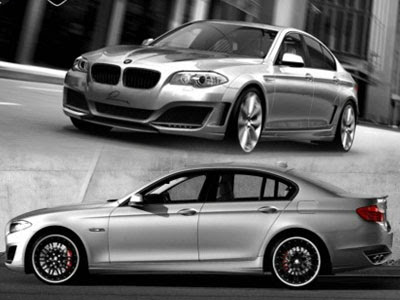
2011 BMW 5-Series F10 Sports Concept plans by Lumma Design, TopCar, and Cardi that have joined forces to offer a new Sport package

2011 BMW 5-Series F10 Sports Concept plans
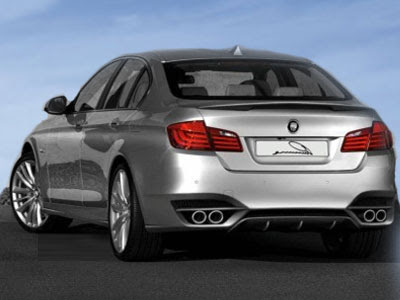
Two Russian tuning firms and a German company have teamed up to offer a new kit for the 2011 BMW 5-Series F10. TopCar and Cardi, from Russia, and Lumma Design have joined forces to create an aggressive styling package which will likely boost performance.
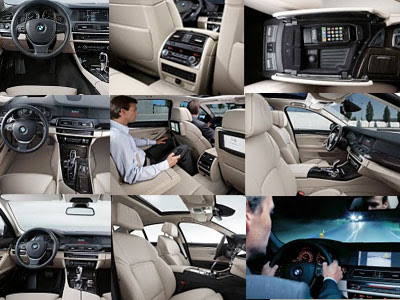
The brand-new 2011 BMW 5-Series hasn't even made its motor show debut yet, but tuners are already actively working on their plans to present an array of performance and cosmetic goodies for the Bavarian automaker's premium sedan.
2011 BMW 5-Series F10 Sports Concept plans
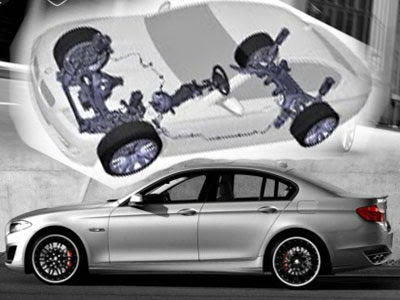
German and Russian tuning houses are joining efforts to create bodykit and tuning packages for the F10 5-series. Full set of renderings inside. One of the first proposalscomes from a trio of companies, Russia's TopCar and Cardi, and Germany's Lumma Design, that have joined forces to offer a new sport package for the Bimmer.
2011 BMW 5-Series F10 Sports Concept plans
TopCar and Cardi are the russian tuners and Lumma Design is the german tuner. Judging by the included renderings, the car will maintain a bulging nose, with new carbon fiber front lip installed underneath. Their renderings show an aggressive front end package including a new front bumper aggressively sculpted with huge air inlets, carbon fiber front lip, LED lighting and honeycomb grill. TopCar and Cardi will handle the design aspect of the project while Lumma Design will be responsible for the manufacturing of the kit as well as the performance upgrades. One version of the kit also features super wide wheel fenders and aggressive side skirts. The rear features a carbon fiber rear trunk spoiler, together with carbon fiber rear diffuser, quad exhaust pipes. Two types of wheel options will be available.
2011 BMW 5-Series F10 Sports Concept plans
Although the three tuners have not disclosed any specific details about the package, they did release a set of photoshoped images that show a new wide bodykit trimmed in carbon fiber that consists of new bumpers, fender extensions, side skirts and a boot lid spoiler.2011 BMW 5-Series F10 Sports Concept plans
In addition, the tuners previewed three different alloy wheel designs for the 2011 5-Series.
This custom F10 5-series is expected to debut in April 2010, along with details of the full performance tuning package.